





Zach Cregger’s Resident Evil arrives as one of the most intriguing and divisive horror projects of 2026. Set for theatrical and IMAX release on September 18, 2026, this standalone reboot marks the latest — and potentially most ambitious — attempt to translate Capcom’s landmark survival-horror franchise to the big screen. Directed by Zach Cregger (Barbarian, Weapons) and co-written with Shay Hatten (John Wick: Chapter 3 – Parabellum), the film has already generated considerable buzz following its recent teaser trailer premiere at CinemaCon. Early reactions suggest a project that finally prioritizes the raw, desperate terror of the original games over the slick, sci-fi action spectacle that defined previous cinematic outings.

For longtime fans of the series, the skepticism was understandable. Hollywood has spent nearly three decades mishandling Resident Evil. The Paul W.S. Anderson films, while commercially successful, transformed the property into a high-octane, gun-fu franchise that bore little resemblance to the atmospheric, resource-starved tension of the PlayStation originals. Even the 2021 Welcome to Raccoon City reboot struggled to recapture the claustrophobic dread that made Raccoon City such an iconic setting. Cregger’s version, however, appears determined to course-correct in dramatic fashion.
A Fresh Perspective in Raccoon City
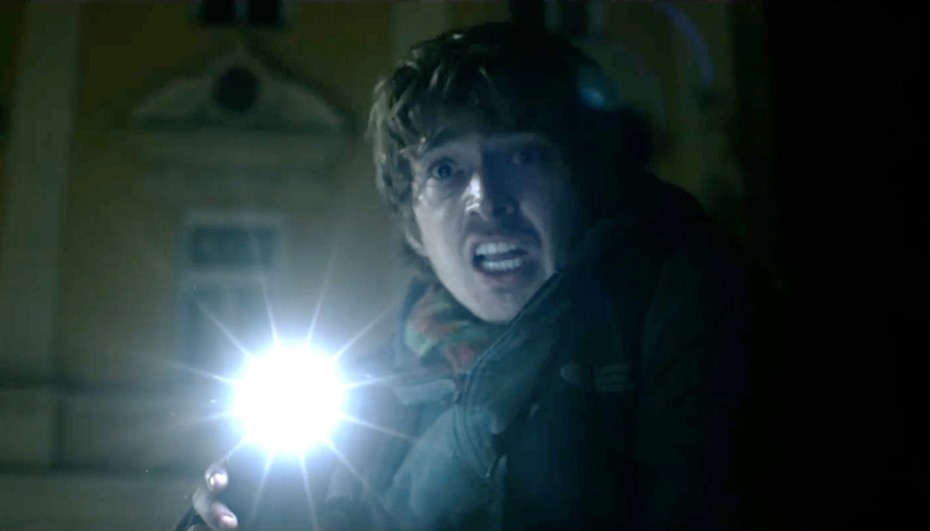

Rather than retread familiar ground with established heroes, Cregger has opted for a completely original protagonist. There will be no Chris Redfield, no Jill Valentine, and — most controversially — no Leon S. Kennedy. Instead, the story centers on Bryan, portrayed by Austin Abrams (Euphoria, The Brutalist). Bryan is an unassuming medical courier who finds himself trapped in Raccoon City on the very night the T-Virus outbreak erupts, decimating the population.
The narrative unfolds concurrently with the events of the Resident Evil 2 video game, but from the perspective of a civilian with no tactical training, no military background, and no plot armor. This deliberate sidestep of legacy characters has already sparked heated debate online. Purists argue that omitting icons like Leon diminishes the film’s connection to the source material. Yet Cregger has been vocal about his reasoning: the games already told those stories with precision. Replicating them on screen would risk redundancy and dilute the horror.
By placing an ordinary, unprepared everyman at the center, the film restores the franchise’s core emotional engine — vulnerability. Bryan is not a one-man army; he is us. His reactions to the unfolding nightmare — panic, improvisation, raw survival instinct — mirror the experience of playing the early games when every corridor and shadow carried genuine threat. This approach transforms Resident Evil from a power fantasy into a desperate struggle for survival, and early footage suggests it is working.
Mutants Over Zombies: A Creature-Driven Nightmare
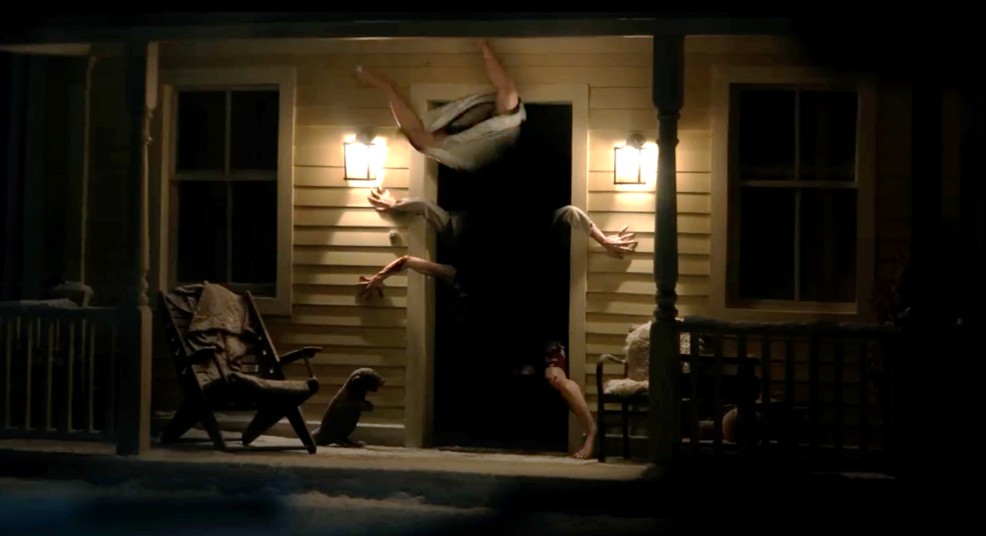

Audiences expecting a straightforward zombie apocalypse may need to recalibrate. The teaser trailer deliberately downplays traditional shambling undead in favor of grotesque, rapidly mutating T-Virus anomalies. Brief glimpses of standard infected appear, but the real focus is on the biological horrors spawned by Umbrella Corporation’s experiments.
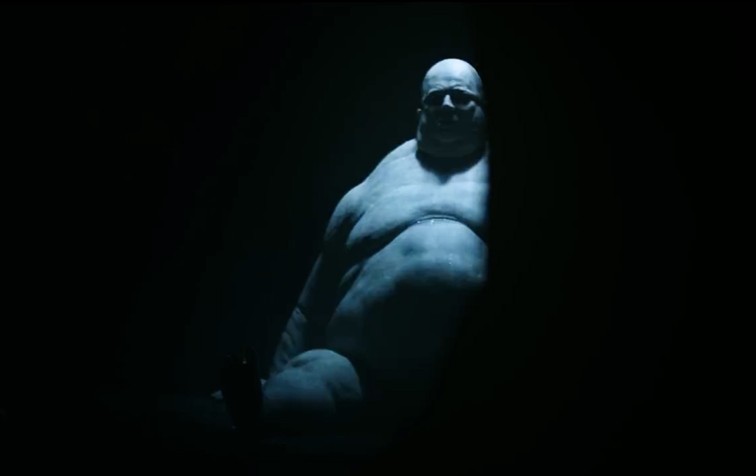
The footage highlights several standout creatures: a multi-limbed abomination that tears through doorways with frantic, unnatural speed, and a massive, bloated, hairless monstrosity stalking the sewers — a clear spiritual successor to the franchise’s most memorable boss encounters. These designs lean heavily into body horror, showcasing the virus’s capacity to warp human anatomy in real time, violently. Cregger has spoken about his fascination with the idea of mutation as evolution rather than mere decay, and the blend of practical and digital effects appears impressively tactile and repulsive.
This creature-forward approach honors the games’ escalating threat levels while delivering the kind of visceral, nightmare-inducing imagery that previous films often lacked. The question remains whether the balance between spectacle and sustained tension will hold across the full runtime, but the early signals are among the strongest the franchise has ever produced on screen.
Translating Survival Horror Mechanics to Cinema
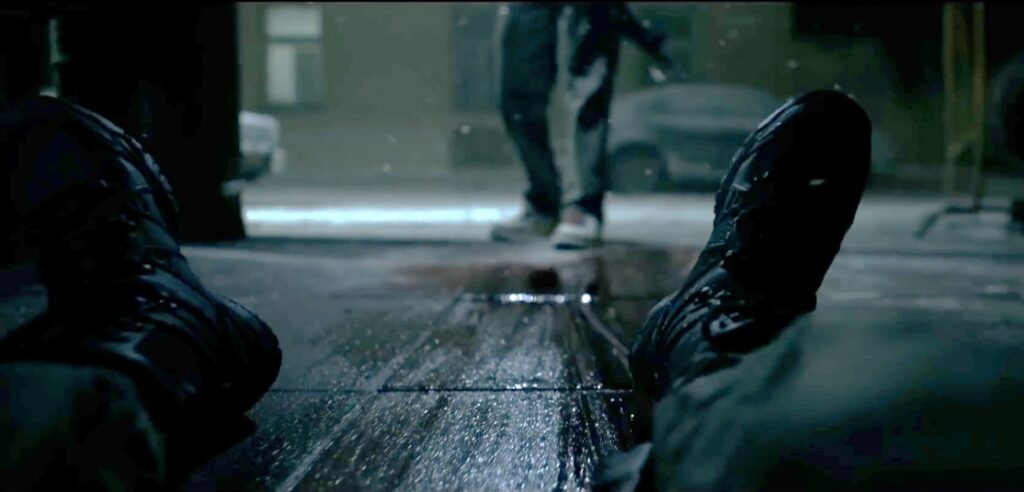

What truly sets Cregger’s Resident Evil apart is its rare understanding of how the games are actually played. Most video game adaptations treat mechanics as afterthoughts. Characters rarely run out of ammo, healing is instantaneous, and the environment serves merely as a backdrop. Cregger, a self-described longtime fan, is integrating those mechanics directly into the storytelling.
Bryan begins with virtually nothing and must scavenge every resource. A basic pistol pried from a corpse becomes a lifeline; every bullet counts. As the night progresses, he gradually acquires more formidable weaponry — a shotgun, eventually an MP5 — but the tension stems from the constant awareness that supplies are finite. Inventory anxiety, a cornerstone of the classic games, becomes a narrative driver rather than a gameplay abstraction.
The film is also packed with thoughtful environmental details for dedicated fans. Subtle background Easter eggs include recognizable items from the series, and the iconic green healing herbs from Resident Evil 4 are integrated naturally into the world rather than feeling like fan-service props. This level of care rewards longtime players without alienating newcomers, creating a cinematic experience that genuinely feels like stepping into the game’s most harrowing sequences.
The Zach Cregger Factor
Cregger’s involvement is perhaps the strongest indicator that this adaptation could succeed where others faltered. With Barbarian, he shattered audience expectations by upending narrative structure midway through, proving his willingness to embrace the weird and the uncomfortable. Weapons further demonstrated his command of tone, blending unease with unexpected emotional depth. He does not make safe studio horror; his films are intense, structurally audacious, and unafraid of absurdity.
Cregger has described this Resident Evil as “weird” and relentlessly paced, with early CinemaCon viewers comparing its momentum to a horror-infused Mad Max: Fury Road. The environment is constantly shifting — snow-covered streets giving way to blood-soaked interiors and labyrinthine subterranean passages — each new location introducing fresh, deadly threats. This chaotic, anything-can-happen energy directly counters the increasingly formulaic nature of prior entries. Instead of glossy action set pieces, Cregger is delivering a hard-R survival horror film that prioritizes dread, improvisation, and genuine terror.
A Strong Supporting Ensemble


Austin Abrams shoulders the lead as the panicked everyman Bryan, but a formidable ensemble supports him. Paul Walter Hauser brings his signature blend of dark comedy and simmering menace. Zach Cherry, Kali Reis (fresh from her standout work in True Detective: Night Country), and Johnno Wilson round out the cast. Their presence grounds the increasingly grotesque premise in authentic human stakes, ensuring the mutant-filled chaos never loses its emotional core.
The Grim Interests Verdict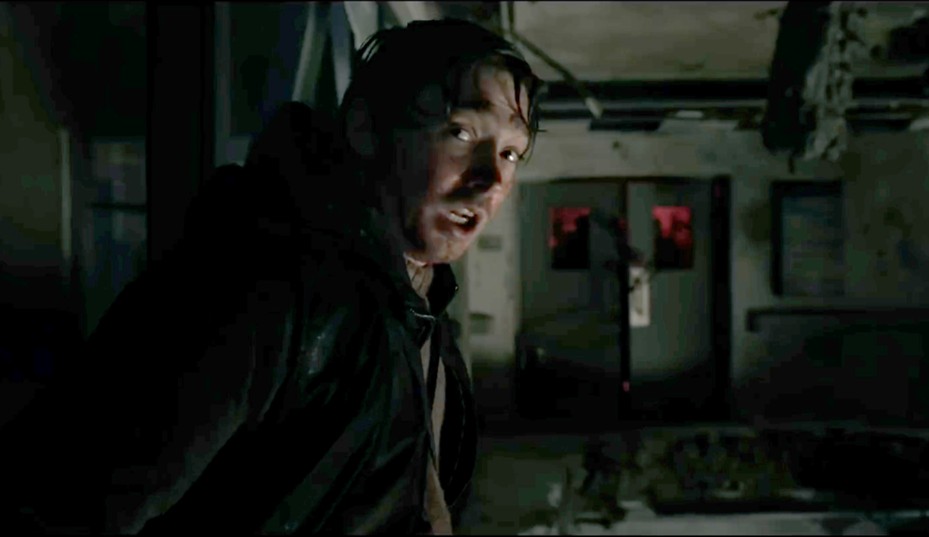

Zach Cregger’s Resident Evil will not satisfy every purist. By deliberately excluding legacy characters and charting its own path through the Raccoon City outbreak, it risks alienating a vocal segment of the fanbase that has waited decades for a definitive, lore-faithful adaptation. Yet the teaser trailer and Cregger’s stated intentions suggest something far more compelling: a punishing, inventive, and viscerally unsettling survival horror experience that finally captures the desperate vulnerability at the heart of the original games.
We remain cautiously optimistic. The third act will be critical — maintaining relentless momentum without descending into chaos will determine whether the film delivers on its early promise. The creature design, mechanical fidelity, and Cregger’s unique directorial voice give this project genuine potential to become the cinematic high point the franchise has long deserved. For fans who have endured decades of missed opportunities, this September 18, 2026, release feels like the most promising reboot yet.
Frequently Asked Questions About Zach Cregger’s Resident Evil (2026)
When does the new Resident Evil movie release?
Sony Pictures will release the film exclusively in theaters and IMAX on September 18, 2026.
Is Leon S. Kennedy or any legacy characters in the film?
No. The story focuses on an original protagonist named Bryan and does not feature Chris Redfield, Jill Valentine, Leon Kennedy, or other established heroes.
Is this a sequel to previous Resident Evil films?
No. This is a complete standalone reboot with no continuity to the Milla Jovovich series or Resident Evil: Welcome to Raccoon City (2021).
Who is directing and writing the film?
Zach Cregger directed and co-wrote the screenplay with Shay Hatten.
Ready to Survive Raccoon City?
If the final film lives up to the promise of its teaser, September 18, 2026, could mark a genuine turning point for Resident Evil on the big screen. The project already feels like the most faithful translation of the games’ core survival-horror spirit in nearly three decades.
What did you think of the teaser trailer? Are you excited by this bold new direction, or do you wish the film had included more legacy characters?


