

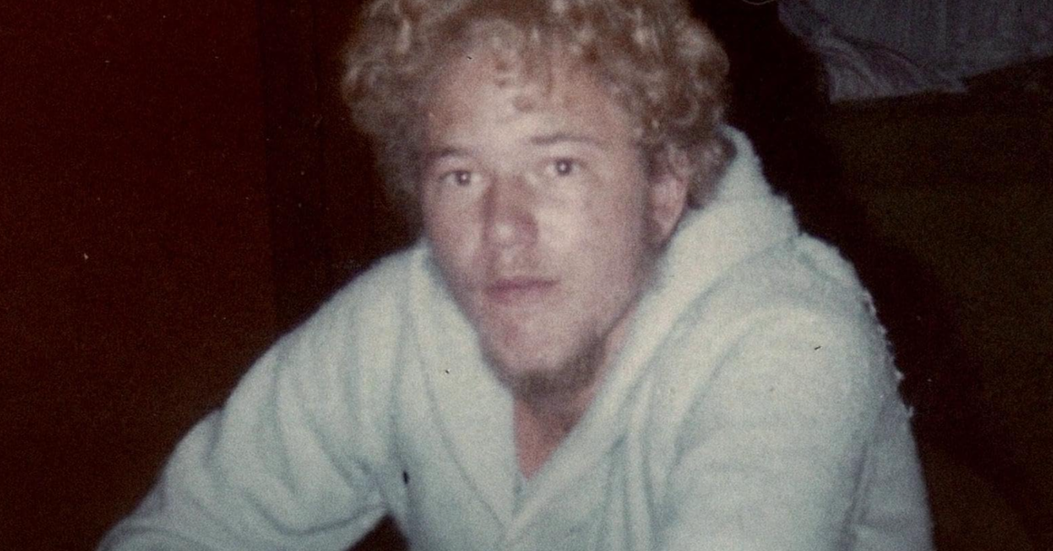
Devil Made Me Do It true story remains one of the most chilling and unprecedented collisions between the supernatural and the American justice system. In 1981, the quiet town of Brookfield, Connecticut became the stage for the only case in United States history where a defense attorney stood before a judge and formally argued demonic possession as grounds for innocence. Long before Ed and Lorraine Warren were immortalized in blockbuster films, this case dragged the paranormal into a courtroom, forcing rational jurisprudence to confront something ancient, intangible, and unrelenting.
To understand it is to move beyond the tabloid shorthand and into the shadowed months that preceded the killing—into a family’s slow unraveling and the single moment one man chose to invite the darkness inside.
The Possession of David Glatzel
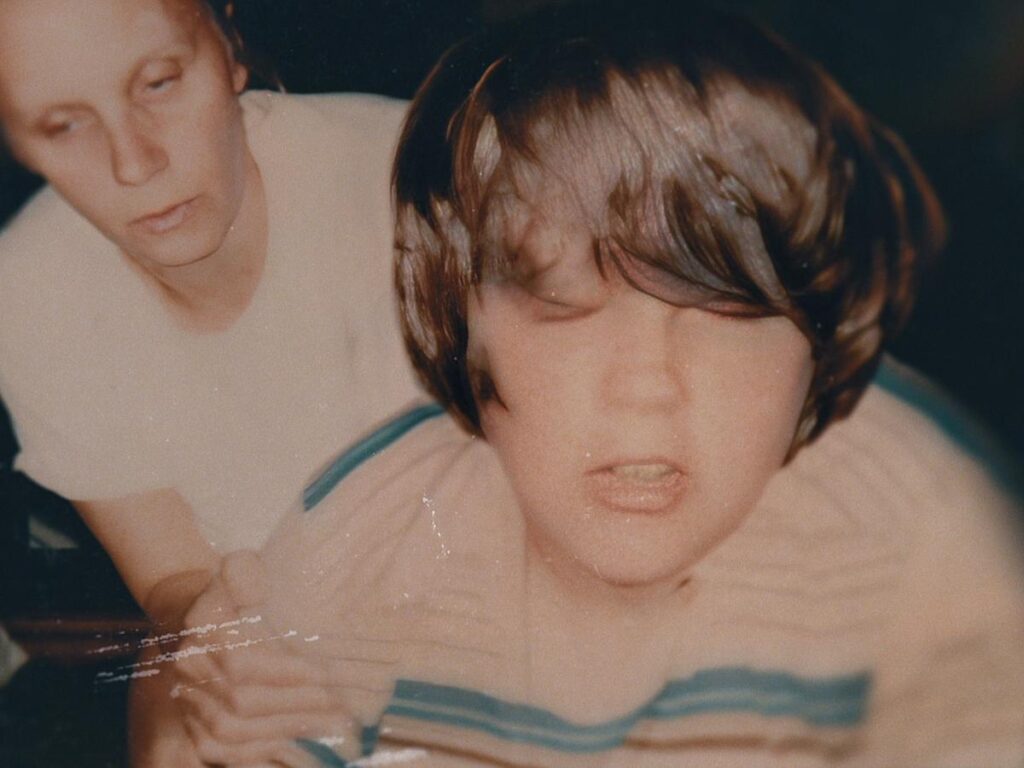
The nightmare did not begin with Arne Johnson. It began in the summer of 1980, when Johnson and his fiancée Debbie were preparing a rental house in Brookfield. Debbie’s eleven-year-old brother, David, was helping when he claimed to encounter an elderly man whose eyes were solid black, like chunks of coal. The figure pushed the boy, threatened the entire family, and refused to depart.
What followed followed the classic pattern of demonic oppression: unexplained scratches and bruises, invisible hands tightening around the throat, guttural voices reciting passages from the Bible and Milton’s Paradise Lost. The Warrens, already veterans of the Amityville investigation, were summoned. Lorraine described seeing a black mist materialize beside the child—an unmistakable sign of malevolent presence. Their assessment was unequivocal: David was not haunted by a single entity but by forty-two distinct demonic forces.
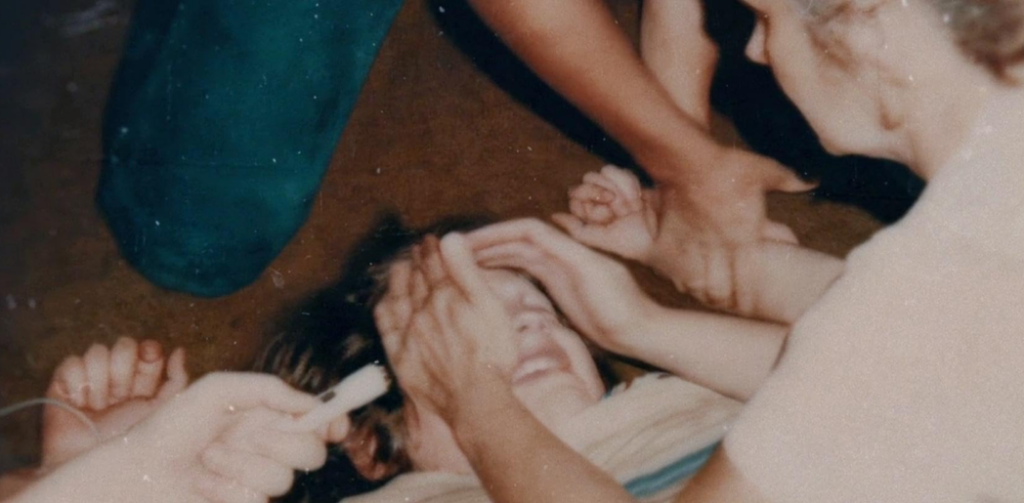
With the Warrens’ guidance, the Glatzels petitioned the Catholic Church. Over several grueling months, priests conducted multiple minor rites of exorcism. The air in the house grew thick and volatile, the kind of oppressive atmosphere familiar to anyone who has studied prolonged infestations. It was during one of these rites that Arne Johnson made a decision that would change everything.
The Transfer
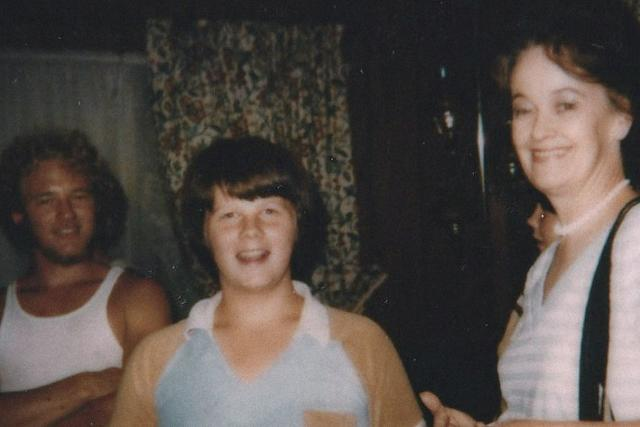
Experienced investigators know the rule: never issue an open invitation. Yet in the midst of a particularly violent session, Johnson—watching the boy he regarded as a brother convulse in torment—stepped forward and shouted directly at the entity. “Leave this little kid alone. Take me on. I’m here. Take me on.”
Those present, including Lorraine Warren, felt the temperature plunge. Johnson described an icy wave passing through him. The entity, the Warrens believed, accepted the challenge and transferred seamlessly from David into Arne. Almost immediately, Johnson’s demeanor fractured. He began slipping into trance-like states, growling and hallucinating before returning with no memory of the episodes. On one occasion an unseen force reportedly seized control of his vehicle and drove it into a tree. The familiar progression from oppression to full possession appeared underway.
The Murder
On February 16, 1981, the pressure that had been building inside Arne Johnson finally erupted. He, Debbie, and Arne’s sisters were having lunch with their landlord, forty-year-old Alan Bono, at Bono’s kennel. Alcohol loosened tempers. When Bono became loud and aggressive, Johnson attempted to remove his younger sisters from the scene. A confrontation followed. In a blur of violence, Johnson drew a five-inch pocketknife and stabbed Bono four times in the chest. Alan Bono died at the scene—the first homicide in Brookfield’s nearly two-hundred-year history.
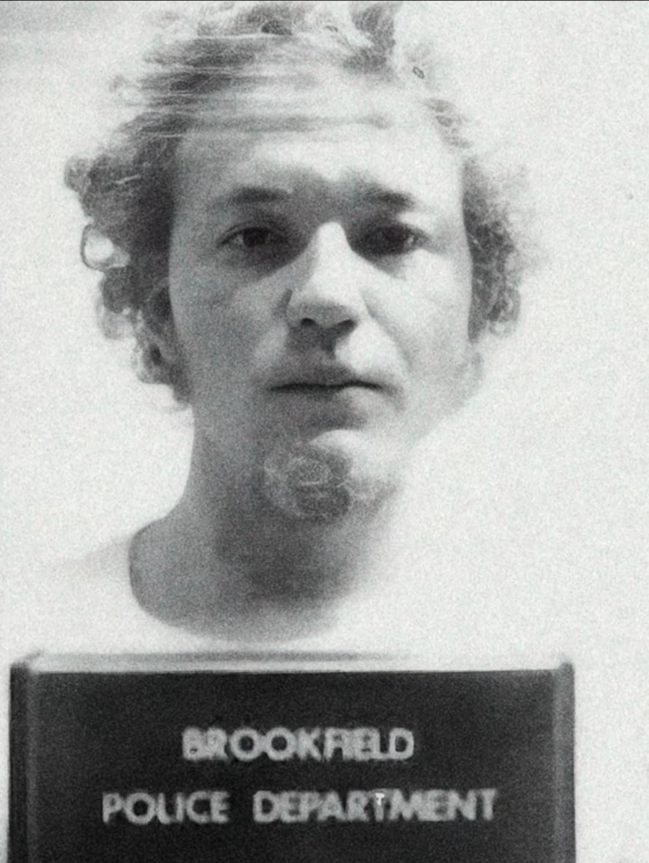
When police arrived, Johnson was dazed and incoherent. He told Sergeant Gordon Fairchild he had a drinking problem and needed help. Informed that Bono was dead, he registered genuine shock; he claimed no recollection of drawing the knife or of the fatal struggle.
The Courtroom Spectacle
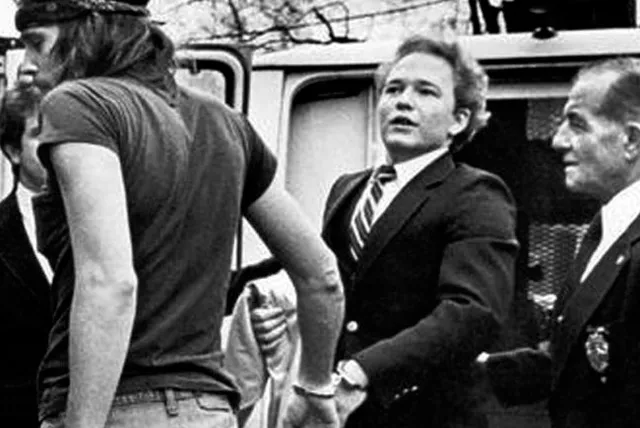
Charged with first-degree murder, Johnson became the center of a legal gambit never before attempted in an American court. His attorney, Martin Minnella, mounted a defense of demonic possession. Minnella studied the Glatzel exorcism records, consulted the Warrens, and even traveled to England to examine the 1974 Michael Taylor case. He planned to subpoena the priests who had performed the rites and publicly declared that if courts could entertain the existence of God, they must now confront the Devil.
Superior Court Judge Robert Callahan ruled the defense inadmissible on the opening day of trial. Demonic possession, he stated, was “irrelevant and unscientific.” Stripped of its central argument, the defense pivoted to self-defense and manslaughter. After fifteen hours of deliberation across three days, the jury convicted Arne Cheyenne Johnson of first-degree manslaughter. He was sentenced to ten to twenty years and served five before release for good behavior.
The Skeptics’ Verdict
Any serious examination must confront the counter-narrative. Carl Glatzel Jr., David and Debbie’s older brother, has spent decades rejecting the demonic explanation outright. He maintains that the Warrens exploited his family’s vulnerability, promising wealth and fame in exchange for a sensational story. In the 2023 Netflix documentary The Devil on Trial, Carl revealed evidence suggesting his mother, Judy, had been secretly administering Sominex—a powerful sleep aid—to the family’s food. Prolonged high doses can induce hallucinations, mood swings, and paranoia. Carl insists his brother was never possessed; he was drugged.
He also cites more earthly motives for the murder: rumors of jealousy over Debbie, possible infidelity with Alan Bono, and the disinhibiting effects of alcohol. The financial arrangements around the 1983 book The Devil in Connecticut—in which the Glatzel parents reportedly received far less than the Warrens—only deepened accusations of exploitation.
The Enduring Legacy
Whatever one believes about the supernatural dimension, the cultural resonance of the Arne Johnson case is undeniable. Gerald Brittle’s 1983 book, assisted by Lorraine Warren, laid the foundation for a 1983 television movie starring Kevin Bacon, episodes of A Haunting, and the third installment of The Conjuring franchise. Netflix’s The Devil on Trial later exposed the contradictions and lingering pain behind the legend.
Beneath the adaptations remains the unaltered truth: a man lost his life, a family was shattered, and a courtroom was asked—however fleetingly—to weigh whether something ancient and malevolent could be held accountable for human violence.
The original court transcripts and audio recordings of David Glatzel’s exorcisms are still accessible for those willing to confront the raw material. They offer no easy answers—only the uneasy reminder that when the unknown presses against the ordinary, the consequences rarely remain confined to the spiritual realm.
Frequently Asked Questions
Did the Catholic Church officially recognize the possession?
Priests participated in the assessment and performed minor rites, yet the diocese maintained strict confidentiality. Lorraine Warren stated that six priests agreed David was possessed, but the Church has never publicly confirmed a major exorcism in this case.
Where is Arne Cheyenne Johnson today?
He married Debbie Glatzel in January 1984 while still incarcerated. After his release in 1986, the couple remained together until Debbie’s death in 2021. Johnson continues to maintain his innocence and credits his faith with protecting him from further spiritual harm.
Is the Devil Made Me Do It true story real?
The case remains one of the most fiercely debated in paranormal history. Proponents, including Arne Johnson and the Warrens, maintain that David Glatzel suffered genuine demonic infestation and that the entity transferred to Arne, culminating in the fatal stabbing. Documented exorcisms, eyewitness accounts, and Lorraine Warren’s observations lend weight to that view. Yet skeptics—most notably Carl Glatzel Jr.—argue the entire narrative was a tragic blend of family dysfunction, possible Sominex-induced hallucinations, and exploitation for profit and publicity. The court ultimately rejected the supernatural defense in favor of a rational explanation, but the question of what truly happened that day in Brookfield still lingers in the shadows.