

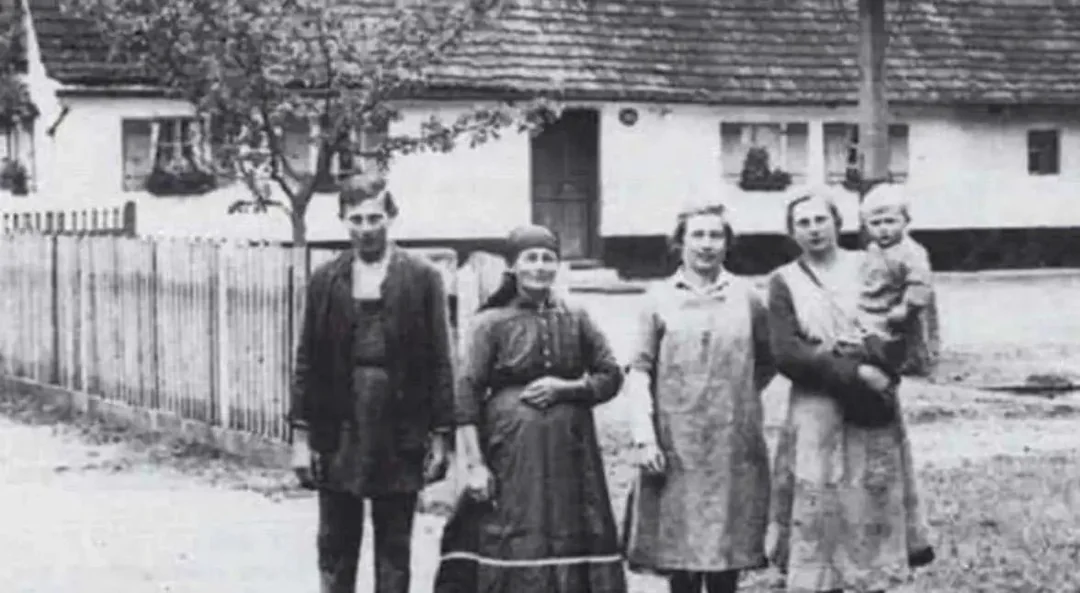
The Hinterkaifeck Murders remain one of the most disturbing unsolved cases in European true-crime history. On the night of March 31, 1922, an unseen perpetrator descended upon an isolated Bavarian farmstead and slaughtered six people. Yet the true terror of this crime did not end with the killings. Forensic evidence later revealed that the murderer remained in the house for several days afterward, living among the bodies as if the farm still belonged to him—feeding the animals, eating the family’s food, and keeping the fireplace lit while the victims lay dead nearby.
This was not a frenzied attack followed by a hasty escape. It was a calculated, lingering occupation of the crime scene itself. A century later, the Hinterkaifeck Murders continue to haunt investigators and true-crime enthusiasts alike. The absence of a clear motive, the contamination of the scene, and the sheer psychological weight of a killer who refused to leave have turned this remote farmhouse into a symbol of unresolved dread. This post examines the isolated world of the Gruber family, the night of the slaughter, the bizarre evidence that the killer stayed behind, the flawed investigation, and the enduring psychological horror of a crime scene that refused to stay silent.
The Isolated Farmhouse and the Gruber Family
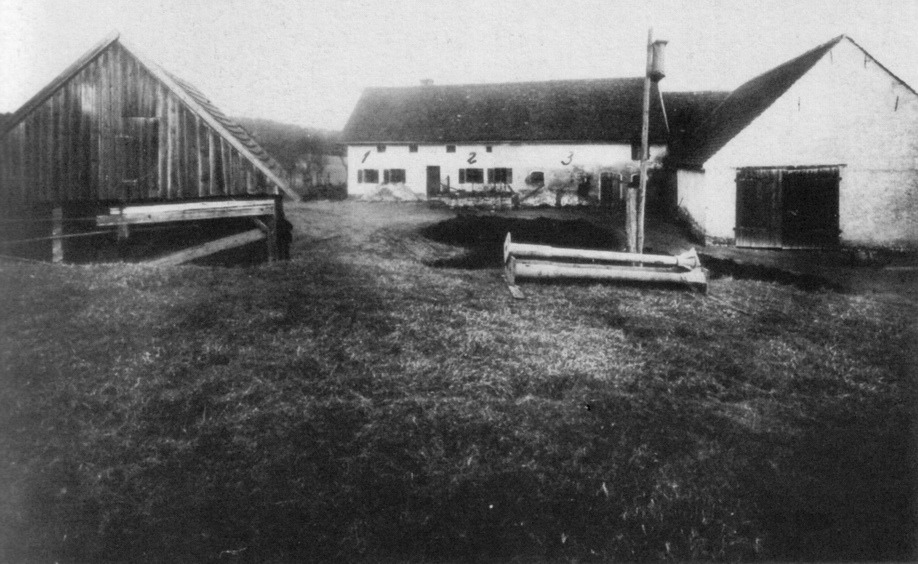
The Hinterkaifeck farmhouse stood alone in the Bavarian countryside, roughly an hour’s walk from the small town of Schrobenhausen. Surrounded by dense woods and far from neighbors, it was a place of profound isolation—both geographic and social.
The residents were the Gruber family: Andreas Gruber, a 63-year-old stern and unpopular patriarch; his 72-year-old wife Cäzilia; their widowed daughter Viktoria Gabriel, 35; Viktoria’s children, seven-year-old Cäzilia and two-year-old Josef; and, arriving on the afternoon of the murders, the new maid Maria Baumgartner, 44. The family kept to themselves, their reclusiveness deepened by rumors of incest between Andreas and Viktoria.
In the months leading up to the tragedy, the farm was plagued by strange occurrences. The previous maid had fled six months earlier, terrified by unexplained footsteps in the attic. Andreas discovered a Munich newspaper on the property that no one in the household had purchased. Most ominously, he found footprints in the fresh snow leading from the woods to the farm’s machine room—but none leading back. Despite these warnings, the family sought no outside help. On March 31, 1922, Maria Baumgartner arrived to begin her new position, unaware she had stepped into a trap.
The Night of the Slaughter
Sometime after dusk on March 31, the killer struck with methodical precision. The perpetrator knew the layout of the property and the routines of its inhabitants.
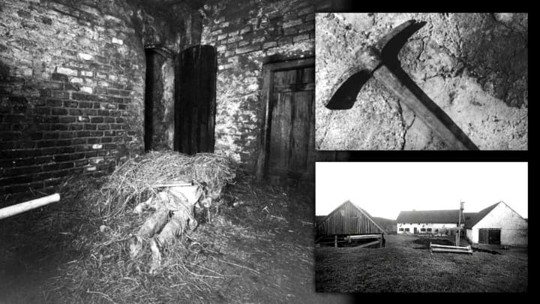
The family members were lured one by one to the barn. Andreas, Cäzilia, Viktoria, and young Cäzilia were attacked there with a mattock—a heavy, pickaxe-like farm tool belonging to the household. Their skulls were shattered by powerful blows. The bodies were stacked haphazardly and partially covered with hay and an old door.
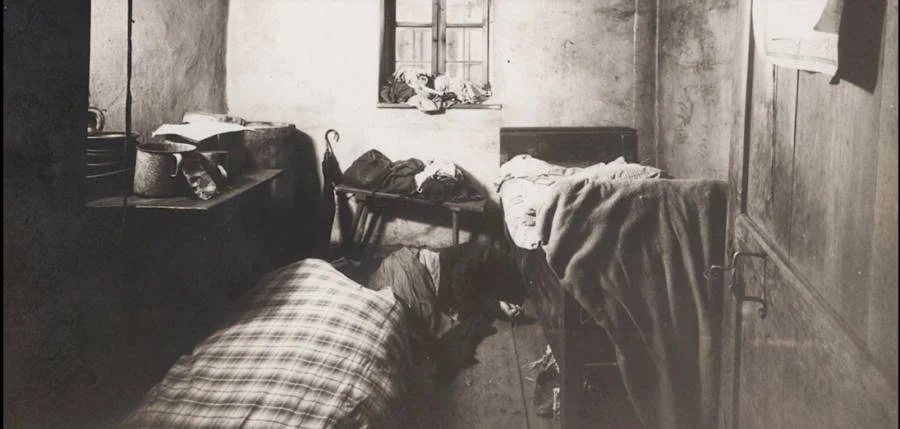
The killer then moved into the living quarters. Maria Baumgartner was slain in her room, likely while unpacking. Finally, the attacker entered Viktoria’s bedroom and killed two-year-old Josef in his bassinet. Autopsies later revealed that seven-year-old Cäzilia had not died immediately; she survived for several hours, tearing out clumps of her own hair in terror and pain before succumbing.
The Killer Who Stayed Behind
What elevates the Hinterkaifeck Murders from a brutal massacre to something profoundly unsettling is the evidence that the perpetrator remained on the property for three to four days.
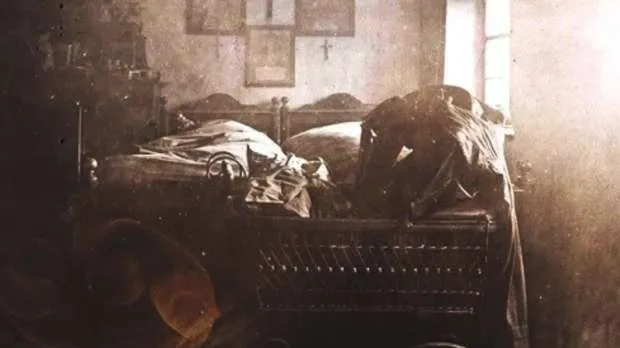
The killer fed the cattle, keeping the animals calm and quiet. He ate food from the family’s pantry, sliced fresh meat, and used the kitchen. Smoke was seen rising from the chimney on April 1, and a passing artisan reported seeing a figure holding a lantern before it retreated into the shadows. Neighbors and a mechanic who visited the farm over the following days received no answer at the door, never suspecting that someone was inside watching them from the darkened windows.
The murderer lived a grotesque parody of normal rural life among the six corpses—sleeping in the beds, walking the floorboards, and maintaining the farm—before vanishing completely into the woods.
The Investigation and Lingering Theories
The bodies were discovered on the afternoon of April 4, 1922, when concerned neighbors broke into the property. The crime scene was immediately compromised as locals trampled through the house and barn, moving bodies and destroying potential evidence.
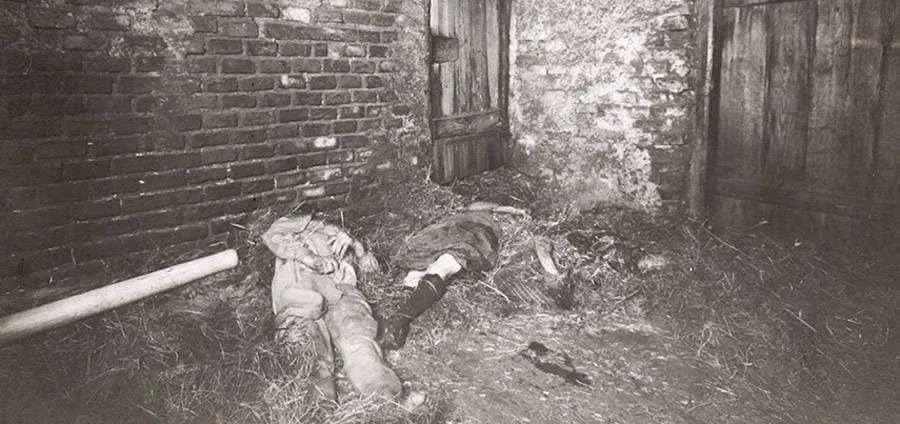
Munich police faced an almost impossible task. Cash was found untouched inside the house, ruling out simple robbery. No clear motive emerged. Over the decades, suspicion fell on several individuals, including Lorenz Schlittenbauer (Viktoria’s former lover and possible father of Josef), who behaved strangely at the scene and knew details only the killer might have known. Other theories suggested Viktoria’s husband Karl Gabriel had survived World War I and returned for revenge, or that a traveling serial killer was responsible. Despite interrogations continuing into the 1980s, no one was ever charged.
The Psychological Horror of a Silent Crime Scene
The lasting power of the Hinterkaifeck Murders lies not only in the violence but in the eerie domesticity that followed. A killer who chose to remain, warming himself by the family’s fire and tending their livestock while the bodies lay nearby, forces a confrontation with the depths of human detachment. The farmhouse became a place where normal life and unimaginable horror coexisted in the same rooms.
Even after the house was demolished in 1923, the case refuses to fade. It strips away the comforting illusion that isolation equals safety and that justice is inevitable. Some secrets, it seems, are buried too deeply to ever be unearthed.
Enduring Shadows and the Limits of Justice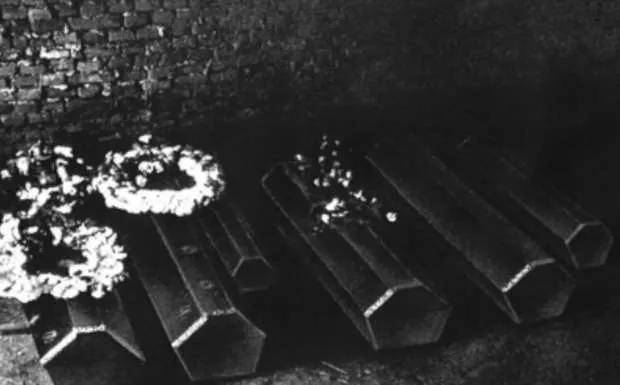
The Hinterkaifeck Murders stand as a stark reminder of the limits of human justice. The physical farmhouse is long gone, yet the memory endures—a locked-room mystery set against a remote Bavarian landscape, complete with footprints in the snow, a bloodied mattock, and the image of an anonymous figure keeping a stolen fire alive.
It proves that some acts of violence leave behind a silence more haunting than any scream. The killer walked away, and the truth walked with him.
Have you encountered stories of unsolved crimes that linger in your mind, or visited a site tied to a famous unsolved murder? Share in the comments or submit your perspective via our contact form.