





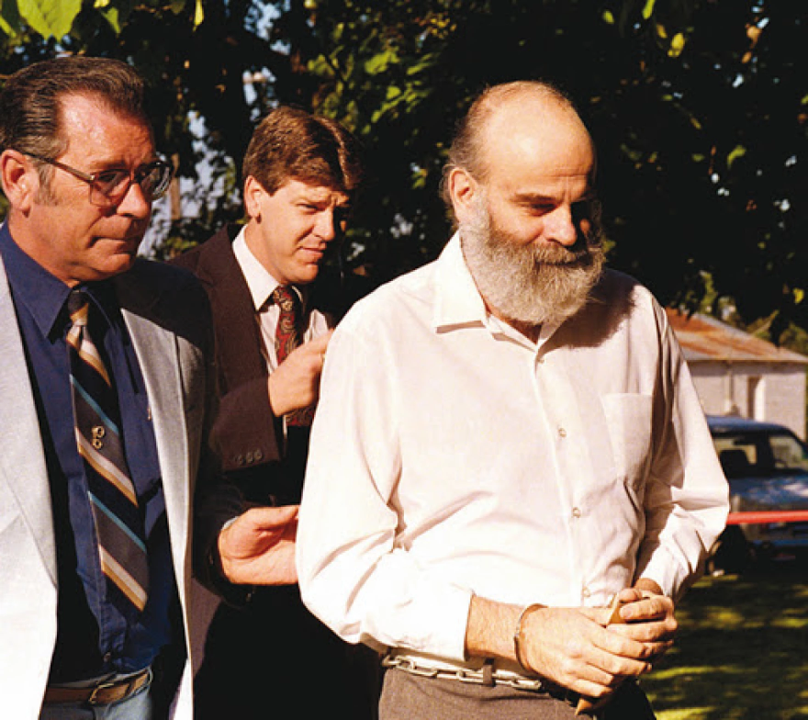
Family Annihilators represent one of the most disturbing categories in American true crime. They do not strike from the shadows of a dark alley or a stranger’s car. They strike from within the home — the one place we are conditioned to believe is safest. The wind howls off the coast of Long Island, rattling the windows of a large Dutch Colonial at 112 Ocean Avenue. Inside, six members of the DeFeo family lie asleep. At 3:15 a.m., the oldest son, Ronald Jr., moves silently through the darkened hallways with a .35-caliber rifle. By dawn, the entire family is dead. This is the unique horror of domestic betrayal: the doors are locked to keep danger out, yet the threat is already inside, sharing the same roof.
These killers — almost always male — do not act on sudden impulse. They plan the destruction of their own bloodline with cold deliberation, often driven by financial collapse, perceived failure, or a fractured sense of control. They view their spouses and children not as independent lives but as extensions of themselves. When their carefully constructed reality begins to crumble, they decide the family must crumble with it. The family home transforms from a sanctuary into a slaughterhouse.
This post examines six of the most notorious American family annihilator cases. Each reveals the chilling psychology of betrayal by the person who was supposed to protect the household.
Case 1: Ronald DeFeo Jr. and the Amityville Massacre
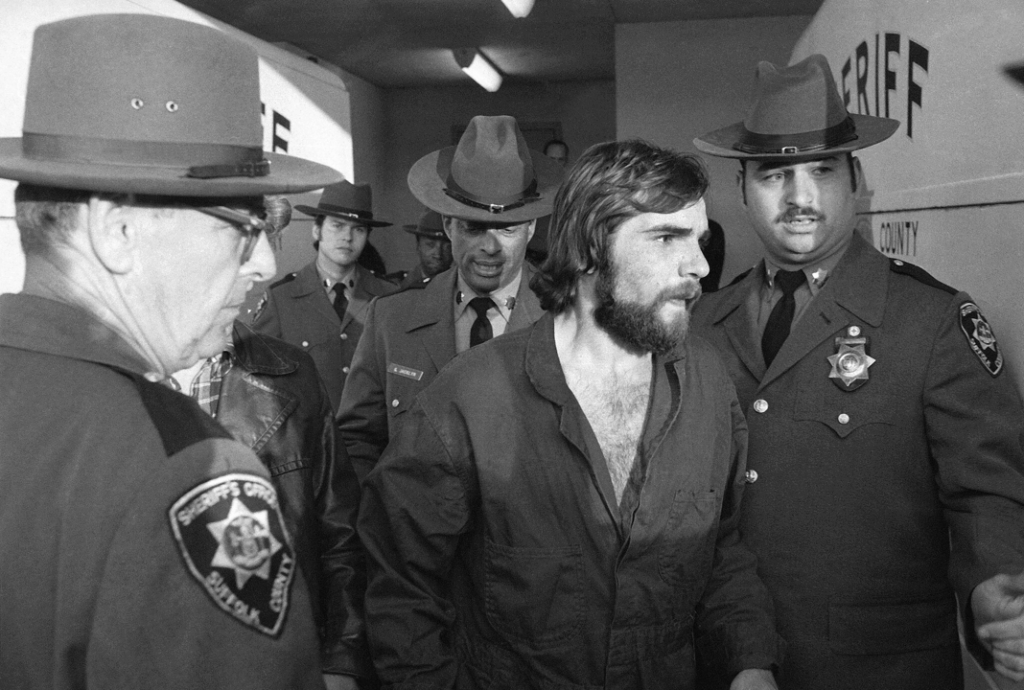

Long before supernatural legends overtook 112 Ocean Avenue, there was a very real human tragedy. On November 13, 1974, 23-year-old Ronald DeFeo Jr. moved methodically through his family’s Long Island home. He shot and killed his parents, two brothers, and two sisters as they slept. All six victims were found face down in their beds, with no signs of struggle or attempts to flee.
DeFeo’s motives remain a mix of drug abuse, family dysfunction, and financial pressure. He initially blamed a mob hit, but soon confessed. The Amityville massacre stands as a cornerstone family annihilator case because it illustrates the terrifying intimacy of the crime. DeFeo used his intimate knowledge of the house, the sleeping patterns, and the family routines to execute his plan with devastating efficiency. The real horror at Amityville was not a spectral force in the basement — it was the oldest son holding the rifle.
Case 2: John List and the Breeze Knoll Massacre
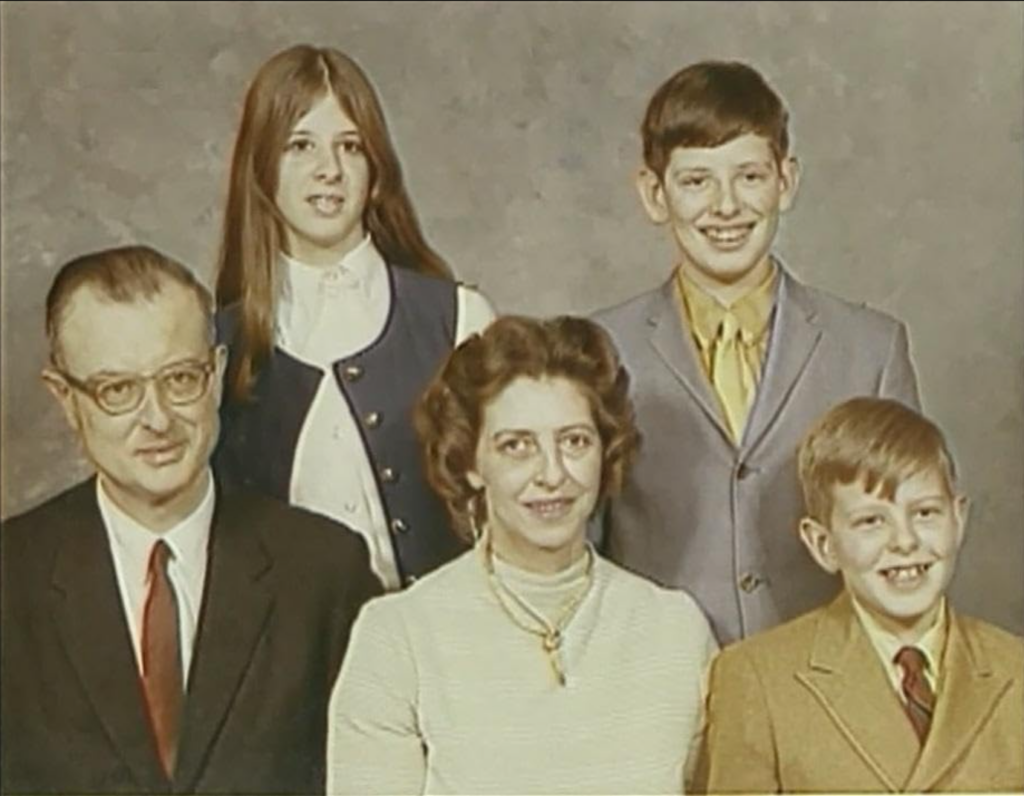

John List appeared to be the model 1970s patriarch — an accountant, devout Lutheran, and Sunday school teacher living in the 19-room Breeze Knoll mansion in Westfield, New Jersey. Beneath the surface, he was drowning in debt and religious guilt. On November 9, 1971, he shot his wife in the kitchen, then killed his mother upstairs. As his three children returned from school, he shot them one by one.

List cleaned the scene, cut himself out of every family photograph, left the mansion’s intercom playing classical organ music, and walked away. The bodies were discovered a month later. List assumed a new identity and evaded capture for 18 years until he was featured on America’s Most Wanted. His case exemplifies the “altruistic” annihilator profile: he convinced himself he was sparing his family from financial ruin and spiritual failure.
Case 3: Ronald Gene Simmons and the Mockingbird Hill Horror
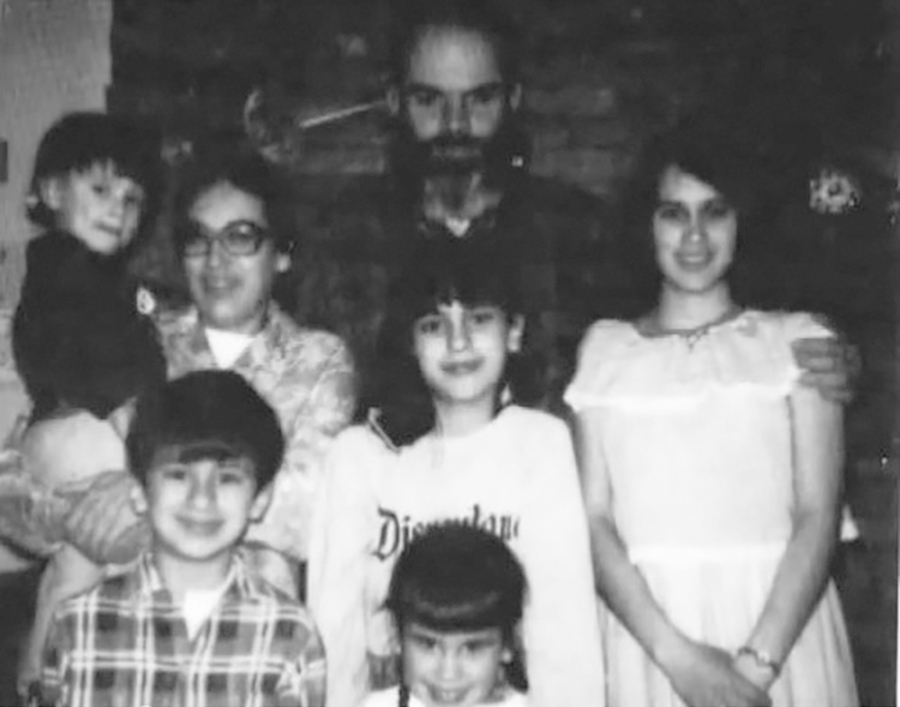

Ronald Gene Simmons turned a family Christmas gathering into one of the deadliest familicides in U.S. history. In December 1987, at his isolated property in Russellville, Arkansas — known as Mockingbird Hill — Simmons murdered 14 members of his own family over several days.
He began with his wife and the children living at home, then invited arriving relatives inside one by one and executed them. Some victims were wrapped in plastic or holiday gift wrap. After annihilating his bloodline, Simmons drove into town, killed two more people, and surrendered. A controlling, abusive patriarch who enforced isolation and bizarre rules, Simmons chose total destruction rather than lose his absolute power over the family.
Case 4: Robert Fisher and the Scottsdale Explosion


On April 10, 2001, a massive explosion destroyed the Fisher family home in Scottsdale, Arizona. What first appeared to be a tragic gas leak was revealed as a meticulously staged triple homicide. Robert Fisher had slashed the throats of his wife Mary and their two young children, then shot Mary in the head. He severed the natural gas line, lit a candle as a delayed fuse, and fled.
Fisher, a controlling man obsessed with projecting a rugged, perfect-family image, could not accept his wife’s plans to divorce him. He remains on the FBI’s Ten Most Wanted list to this day — one of the few family annihilators who successfully vanished.
Case 5: Christian Longo and the Oregon Coast Betrayal
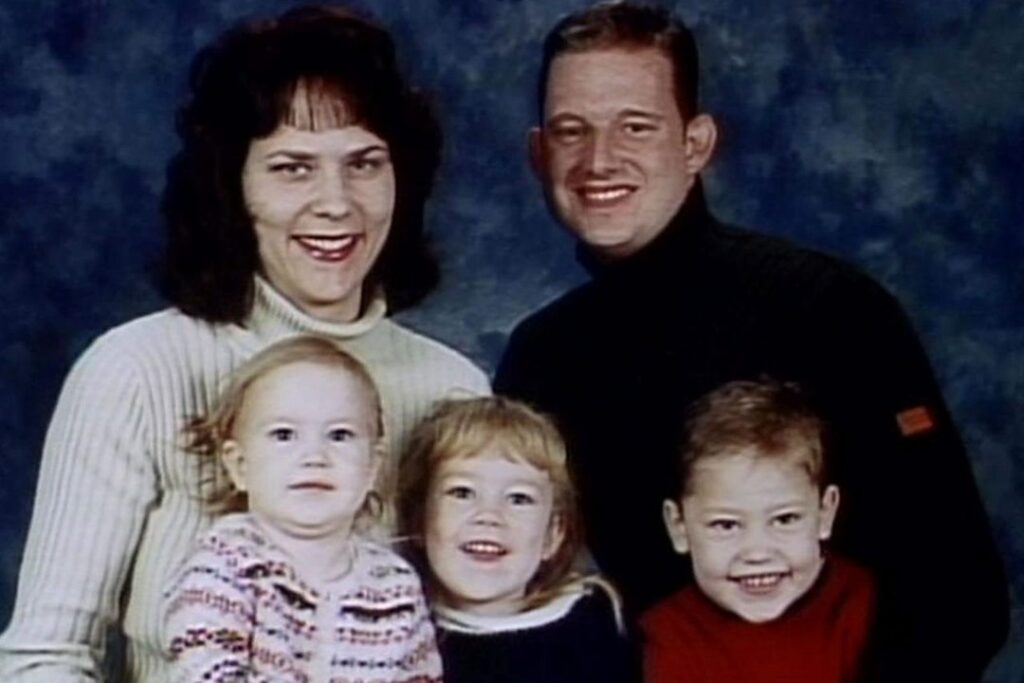

Christian Longo presented himself as a devoted husband and father. In reality, he was a chronic fraudster drowning his family in debt. In December 2001, on the Oregon coast near Waldport, Longo killed his wife MaryJane and their three young children, stuffing some of the bodies into suitcases weighted with dumbbells and dumping them in coastal inlets.
He then fled to Cancun, Mexico, where he lived under a stolen identity, partying and assuming the persona of a New York Times journalist. Longo embodies the narcissistic annihilator: when his family became a liability to his self-image and freedom, he discarded them without remorse.
Case 6: Chris Watts and the Colorado Facade


In the era of curated social media, the Chris Watts case exposed the darkness behind a picture-perfect family image. To outsiders, Chris and Shanann Watts appeared to live an enviable life in Frederick, Colorado. In August 2018, Watts strangled his pregnant wife Shanann in their bed, then smothered their two young daughters and disposed of the bodies at a remote oil work site.
Watts initially appeared on television pleading for his family’s safe return. His flat affect quickly raised suspicions. The case illustrates the conflict-avoidant annihilator: rather than face divorce, financial consequences, or social stigma, he chose to erase his family entirely.
The Common Psychology of Family Annihilators
Across these cases, several grim patterns emerge. Family annihilators almost always maintain a convincing mask of normalcy — the friendly neighbor, the churchgoer, the devoted father. This facade is central to their psychology. When that image is threatened — by bankruptcy, divorce, or exposure — the rigid ego fractures.
They view family members not as autonomous individuals but as extensions of themselves. The family home, meant to be a sanctuary, becomes the site of ultimate betrayal. Whether driven by a warped sense of altruism or cold narcissistic convenience, the annihilator decides that his narrative is the only one that matters — and he holds the power of life and death.
The Ultimate House of Secrets
Family annihilator cases endure because they shatter our most basic social contract. We expect danger from strangers in the outside world, not from the person across the dinner table. From the organ-filled halls of Breeze Knoll to the oil tanks of Colorado, these six cases reveal how the safest place on earth can conceal the darkest evil — turning the family home into the ultimate house of secrets.
Have you followed any of these family annihilator cases, or do you have thoughts on how the people we trust most can commit the unthinkable? Share in the comments or submit your perspective via our contact form.


