





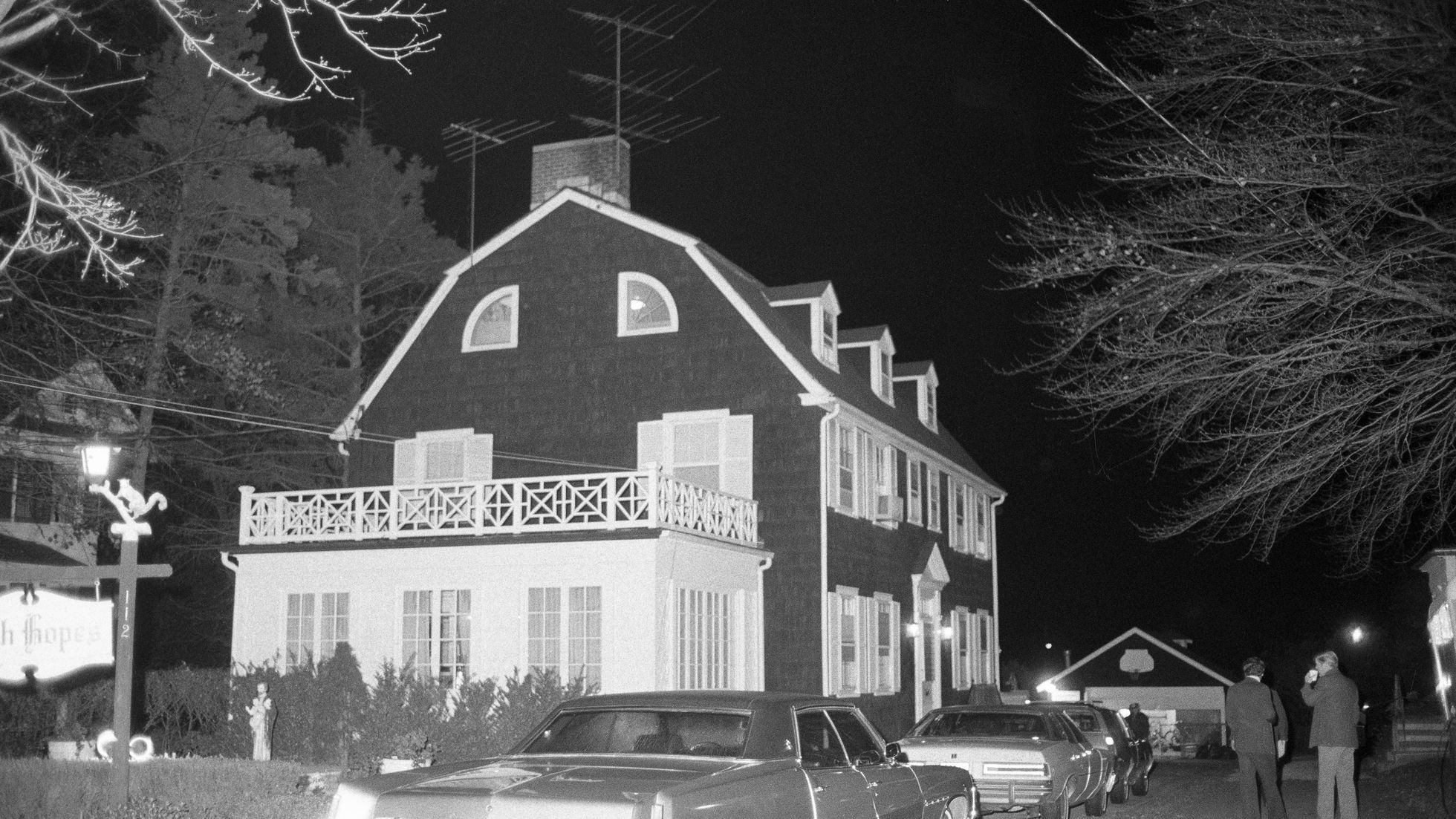
The Amityville Horror House stares out into the freezing Long Island night like unblinking, hollow eyes. It is late 1974, and the quiet Dutch Colonial home on Ocean Avenue is about to become a monument to unimaginable violence. A .35-caliber Marlin rifle shatters the suburban silence, and the house is born—not from a campfire ghost story, but from a brutal slaughter. Fifty years have passed since Ronald DeFeo Jr. systematically murdered his entire family as they slept. Yet the blood had barely dried before the property birthed an entirely different kind of nightmare. When the Lutz family moved into 112 Ocean Avenue a little over a year later, they unwittingly stepped into a paranormal phenomenon that would define the genre for decades.
Today, the Amityville Horror House remains one of the most enduring and fiercely debated cases in American paranormal lore. It has spawned best-selling books, a sprawling film franchise, and endless discussion among investigators. What keeps this house lodged in the collective imagination is the way its reported events challenge our understanding of where human tragedy ends and something darker begins.
This post returns to the grim source. We re-examine the horrific foundation of the DeFeo murders, the terrifying 28-day ordeal of the Lutz family, the investigations that followed, and why the Amityville Horror House continues to haunt both believers and skeptics fifty years later.
The DeFeo Murders – The Grim Foundation
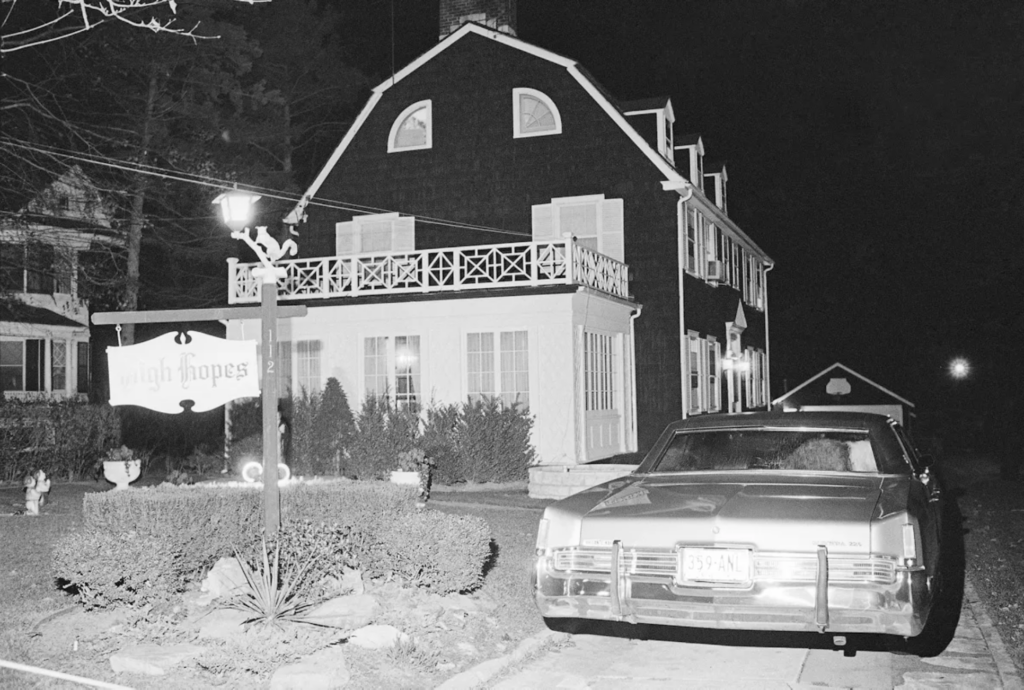

Before any claims of oozing slime or disembodied voices, there was very real, very human carnage. In the early morning hours of November 13, 1974, 23-year-old Ronald DeFeo Jr. moved methodically through the three-story home, shooting and killing his parents and four younger siblings in their beds. Six lives were extinguished in minutes, transforming a picturesque waterfront house into a crime scene of profound horror.
DeFeo, known for heavy drug use and a turbulent history, initially blamed local mobsters. At trial, he changed his story, claiming dark, oppressive voices originating from the house itself had compelled him. “Once I started, I just couldn’t stop,” he told the court. His attorney pursued an insanity defense, but the jury convicted him on six counts of murder. He received six consecutive sentences of 25 years to life and died in prison in 2021.
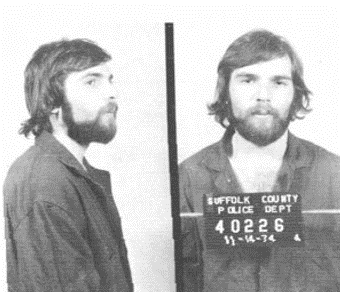

For the paranormal community, DeFeo’s claims of commanding voices became the first unsettling spark — the suggestion that the house itself might have played a role in the violence.
The Lutz Family’s 28 Days
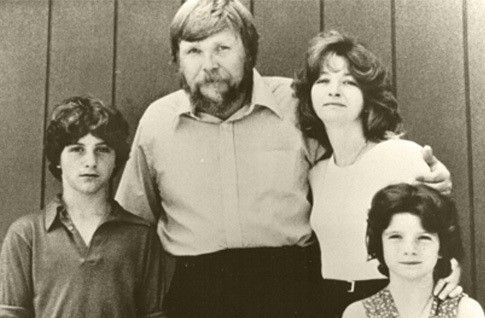

In December 1975, George and Kathy Lutz, along with Kathy’s three children, purchased the fully furnished property for $80,000 — a bargain price that reflected its recent history. They knew the DeFeo murders but were drawn to the waterfront location and private boathouse. What followed was a rapid 28-day descent that remains one of the most detailed and disturbing accounts of aggressive paranormal activity on record.
Almost immediately, the atmosphere inside the Amityville Horror House turned hostile. The family reported sudden, extreme temperature drops, swarms of flies in the dead of winter, and a black, noxious substance that oozed from walls and keyholes. Psychological torment escalated quickly. George claimed he was jolted awake every night at precisely 3:15 a.m. — the approximate time of the DeFeo murders. Kathy reported being embraced by an unseen presence and, in one of the case’s most famous claims, levitating above her bed. The children began sleeping facedown — the exact position in which the DeFeo victims had been found. The youngest daughter, Missy, spoke of a friendship with a red-eyed entity she called Jodie.
On the twenty-eighth day, the Lutzes fled, leaving behind their possessions, clothing, and even food in the refrigerator. They never returned.
The Warrens’ Investigation and Failed Exorcisms
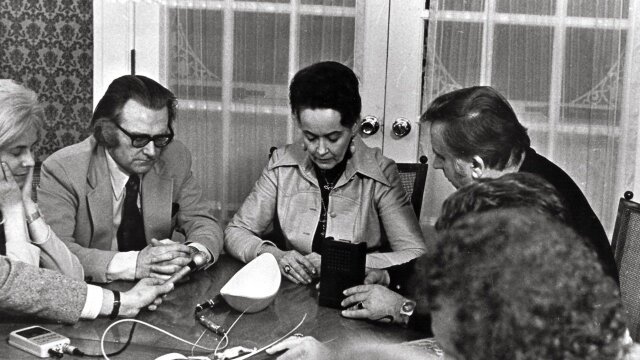

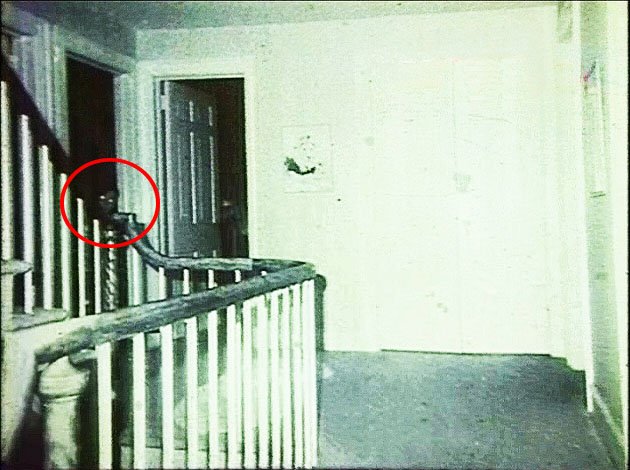
The Lutz family’s account drew the attention of Ed and Lorraine Warren. In early 1976, the renowned investigators visited the Amityville Horror House with a television crew. Lorraine reported an immediate and overwhelming sense of dread, along with psychic impressions of the murders. Ed claimed he was physically shoved to the basement floor by an unseen force. The team also captured the now-famous “ghost boy” photograph — an infrared image showing a small figure with glowing eyes.

Earlier, during the Lutzes’ stay, Father Ralph J. Pecoraro had attempted to bless the home. While sprinkling holy water, he reportedly heard a deep voice command him to “Get out.” He later suffered unexplained blisters and severe flu-like symptoms. Both the Warrens and the priest concluded that an inhuman presence was at work — one that appeared to feed on the violence that had occurred there.
Hoax or Haunting? The Enduring Debate
Few paranormal cases have been scrutinized as intensely as the Amityville Horror House. Skepticism gained traction in 1979 when William Weber, Ronald DeFeo’s defense attorney, told People magazine that he and the Lutzes had fabricated elements of the story over wine to secure a book deal and possibly aid a new trial. Subsequent owners have reported no paranormal activity whatsoever. The house has remained quiet, with no further claims of levitation, slime, or red-eyed entities.
Yet the Lutzes maintained until their deaths that their experiences were genuine and deeply traumatic. Many investigators argue that poltergeist or demonic activity can be tied to specific individuals or periods of intense stress — meaning the entity may have attached itself to the Lutz family and become dormant once they left.
The House Today – 50 Years On
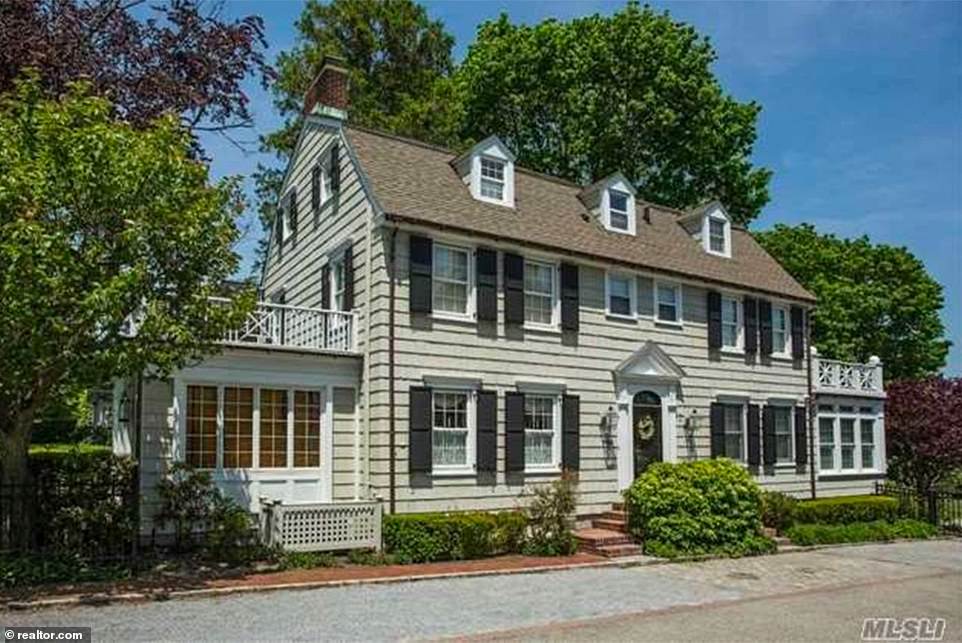

Fifty years later, the Amityville Horror House still stands on the water, though its appearance has changed. To discourage constant trespassers and sightseers, the town changed the official address from 112 to 108 Ocean Avenue. The iconic quarter-moon windows have been replaced, and the backyard swimming pool has been filled in. Extensive renovations have turned it into a quiet, private residence in an upscale neighborhood.
Current and previous owners remain tight-lipped, preferring to let the property exist simply as a home rather than a tourist attraction. No recent reports of activity have surfaced, and the house has gone entirely silent.
Conclusion
The Amityville Horror House occupies the uneasy intersection of profound human tragedy and the unknown. Whether one views the events as genuine demonic activity or a cautionary tale born of trauma and opportunism, their impact on paranormal culture is undeniable. It forced mainstream America to consider that extreme violence might leave behind something that lingers — a stain on a place that cannot easily be erased.
Fifty years after the DeFeo murders, the house stands quieter than it once did. Its windows no longer resemble hollow eyes, yet the questions it raises about the thin veil between our world and whatever lies beyond remain as compelling as ever.
Have you ever experienced something you couldn’t explain in an old house, or visited a site tied to a famous haunting? Share your story in the comments or submit it via our contact form.


