

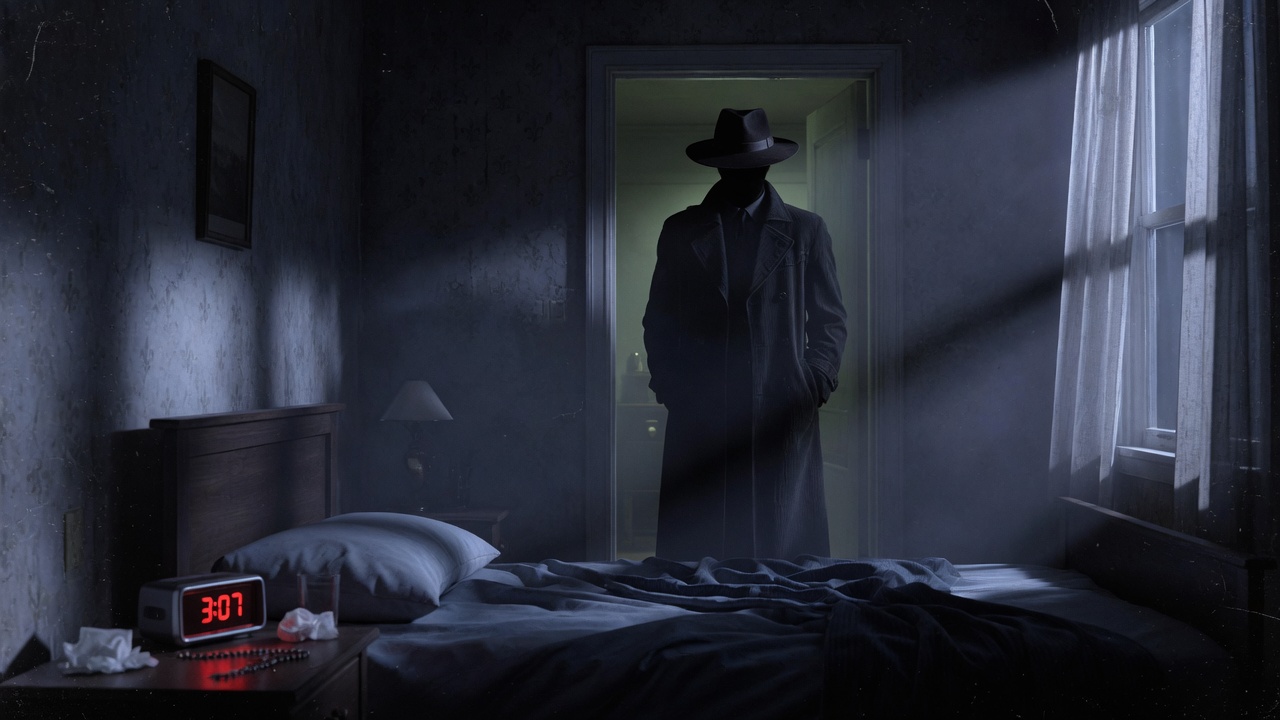
The Hat Man is one of the most consistently reported and deeply unsettling dark entities in paranormal lore. While most people have glimpsed a fleeting shadow figure slipping across a hallway or hovering at the edge of vision, a far more specific and malevolent presence stands entirely apart. Many experiencers and investigators lump the Hat Man in with general shadow people. Yet, he is widely regarded as a distinct archetype—one that commands a level of dread and intentionality the others rarely display.
This post decodes the differences between these dark entities: their appearances, behaviors, the theories that attempt to explain them, and why the Hat Man continues to linger in investigators’ nightmares long after the encounter ends.
Regular Shadow People – The Common Watchers
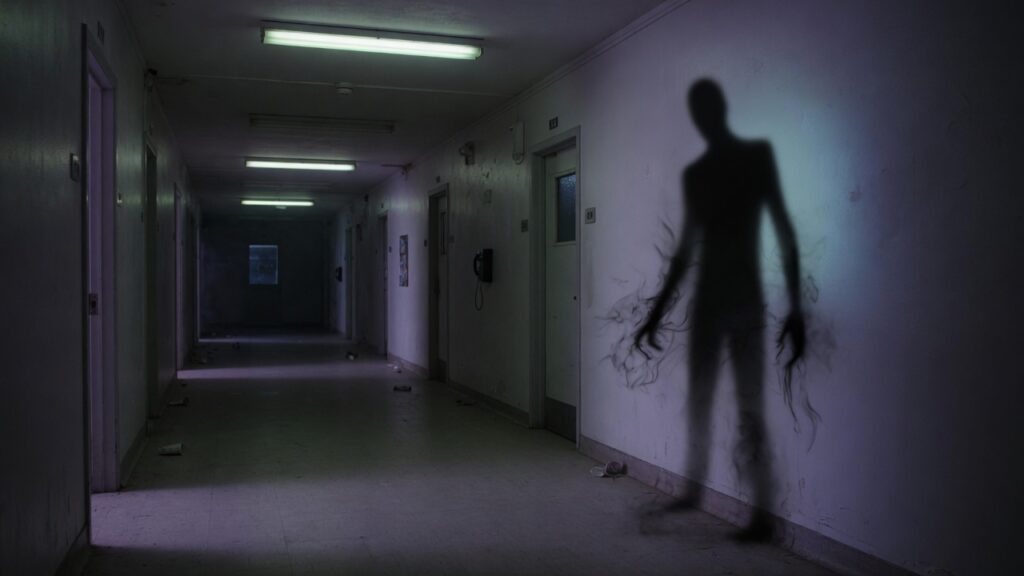
Shadow people represent the most frequently reported category of dark entities. They appear as misty or flat black silhouettes, almost always caught in peripheral vision. The moment you turn to face them directly, they vanish. They move quickly through doorways, linger near ceilings, or stand motionless in corners before dissolving back into the darkness.
Most accounts describe them as neutral or mildly curious observers rather than hostile forces. They lack facial features or any sense of mass, resembling two-dimensional cutouts against the surrounding shadows. One longtime investigator recounted a typical encounter: “I was walking through an old warehouse at night when a dark shape slid across the far wall. It paused for a moment, as if watching me, then wasn’t there anymore. It didn’t feel threatening—just present.”
Their fleeting nature makes them difficult to document. They rarely interact with equipment or the living in any sustained way. For most people, a shadow person sighting is jarring but short-lived, leaving little lasting psychological impact. They are the quiet watchers of the paranormal world, content to observe from the edges before retreating into the dark.
The Hat Man – The Notorious Archetype
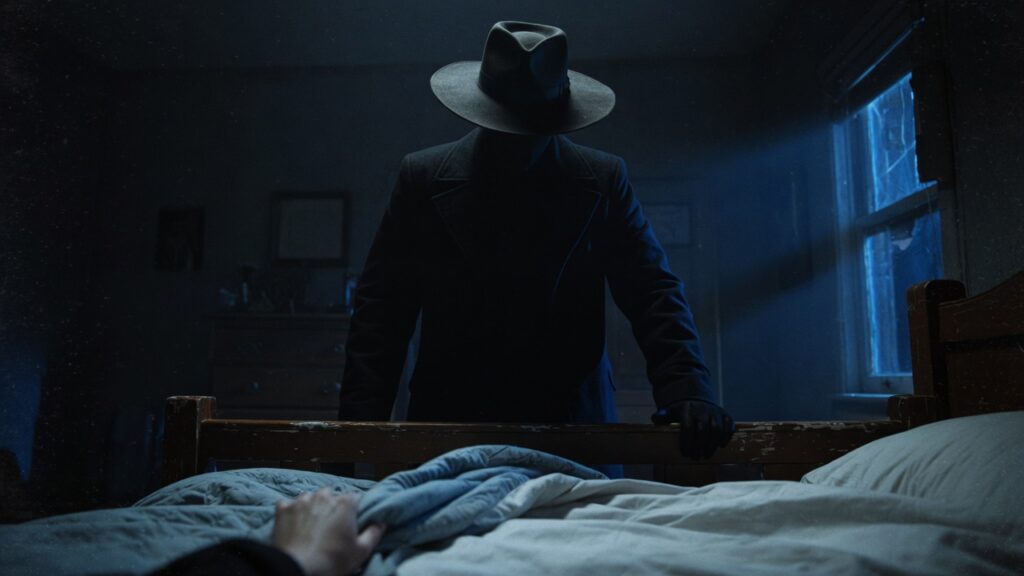
The Hat Man, by contrast, is not simply another shadow person. Although many people initially categorize him within the broader shadow people phenomenon, seasoned investigators and experiencers treat him as a separate, far more deliberate entity. His appearance is strikingly consistent across cultures, continents, and decades: a tall, solid, three-dimensional figure wearing a wide-brimmed hat—often a fedora or top hat—and sometimes a long trench coat or cloak.
Unlike the skittish shadow figures, the Hat Man does not flee when noticed. He stands his ground, frequently positioned in doorways or at the foot of the bed during episodes of sleep paralysis. His presence brings an overwhelming, suffocating dread that feels targeted and intelligent. One experiencer described waking to find him inches away: “He was simply there, completely still, the brim of his hat casting a deeper shadow across where a face should have been. I knew he was watching me with intent. The malice was palpable.”
This sense of calculated presence is what sets the Hat Man apart and makes him one of the most malevolent dark entities reported.
Decoding the Differences
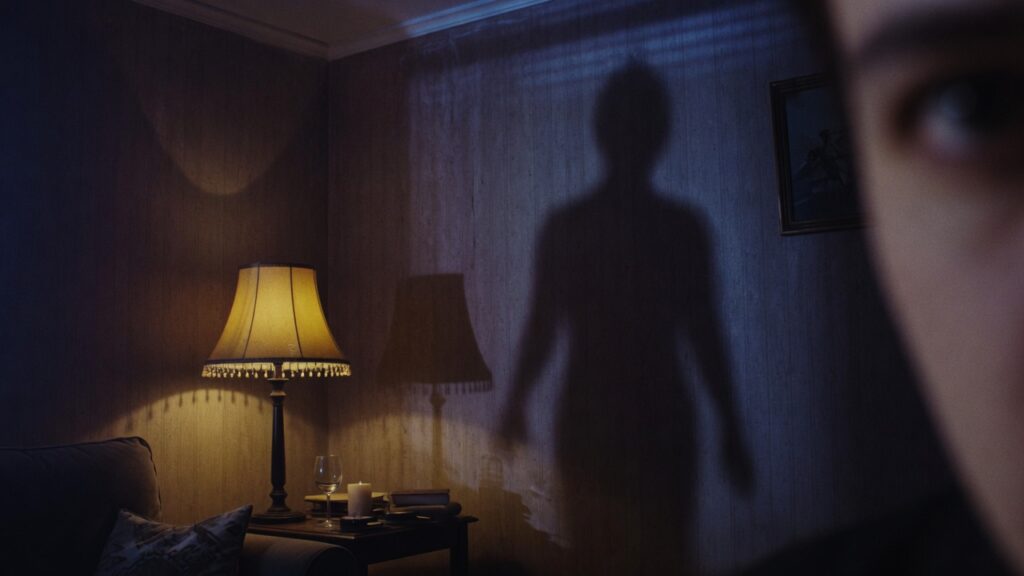
The distinction between regular shadow people and the Hat Man sharpens dramatically when their traits are placed in direct contrast. What often begins as a fleeting glimpse in the periphery can evolve into something far more deliberate and personal with the Hat Man.
Appearance
Regular shadow people appear as hazy, formless silhouettes — flat, two-dimensional shapes that seem to lack substance or depth. The Hat Man presents as sharply defined and unnervingly solid, his tall frame crowned by a wide-brimmed hat and often draped in a long coat, rendered with clear, three-dimensional presence.
Behavior
Shadow people are elusive and skittish, dissolving the moment they are noticed. The Hat Man is bold and unflinching. He lingers deliberately, frequently positioning himself in doorways or at the foot of the bed, refusing to retreat even under direct observation.
Emotional Impact
An encounter with a regular shadow person typically produces a brief startle or lingering sense of being watched. The Hat Man evokes a much more profound response — an overwhelming, suffocating dread that feels targeted and intelligent, often leaving a deep psychological imprint long after he has vanished.
It is this combination of presence, persistence, and malevolent intent that elevates the Hat Man from a passing anomaly into one of the most disturbing entities in paranormal accounts.
Psychological vs. Paranormal Theories
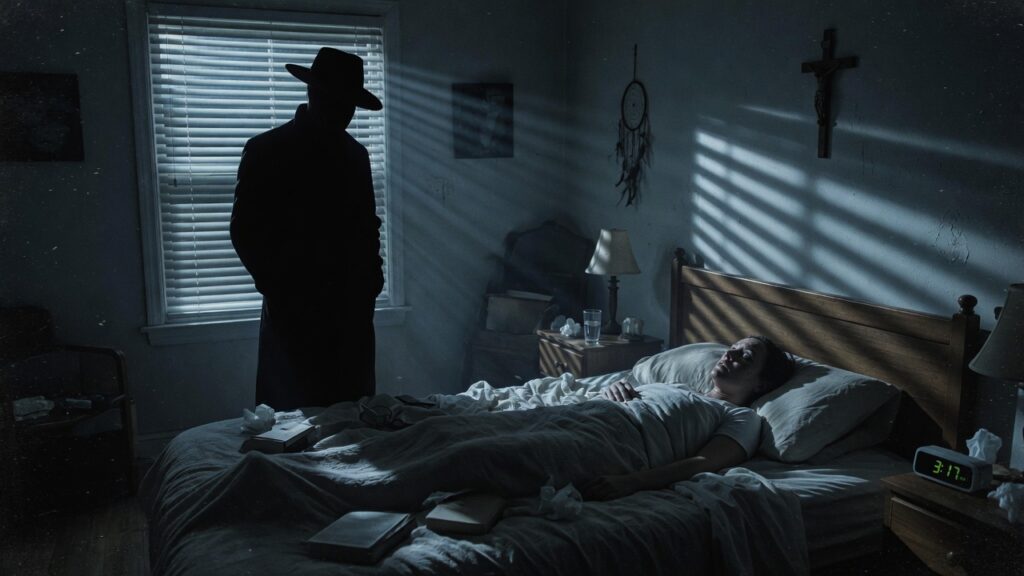
Explanations for these entities remain sharply divided. Psychologists often attribute both shadow people and the Hat Man to sleep paralysis and hypnagogic hallucinations—the brain, caught between sleep and wakefulness, projecting familiar archetypes of fear. The cultural consistency of the Hat Man, they argue, reflects a shared visual shorthand for dread.
In the paranormal community, however, the sheer uniformity of the Hat Man’s appearance—even among people with no prior exposure to the lore—suggests something more. Many investigators believe he is a distinct interdimensional entity drawn to fear and negative energy, feeding on the very terror he creates. Whether viewed through a clinical or supernatural lens, the Hat Man remains one of the most effective catalysts for human unease.
Simple Protection Methods
There are no guaranteed cures for encounters with dark entities, but experienced investigators recommend a few grounded practices. Maintain emotional calm through basic grounding techniques—such as deep breathing or mindfulness—to avoid feeding fear into the environment. Speak firmly, verbalize boundaries aloud, and clearly state that unwelcome presences are not permitted in your space. Document every incident with dates, times, and details; a clear record helps separate genuine activity from heightened anxiety. If the experiences persist or intensify, consult both a mental health professional familiar with sleep disorders and a reputable paranormal team for further assessment.
The Lingering Darkness
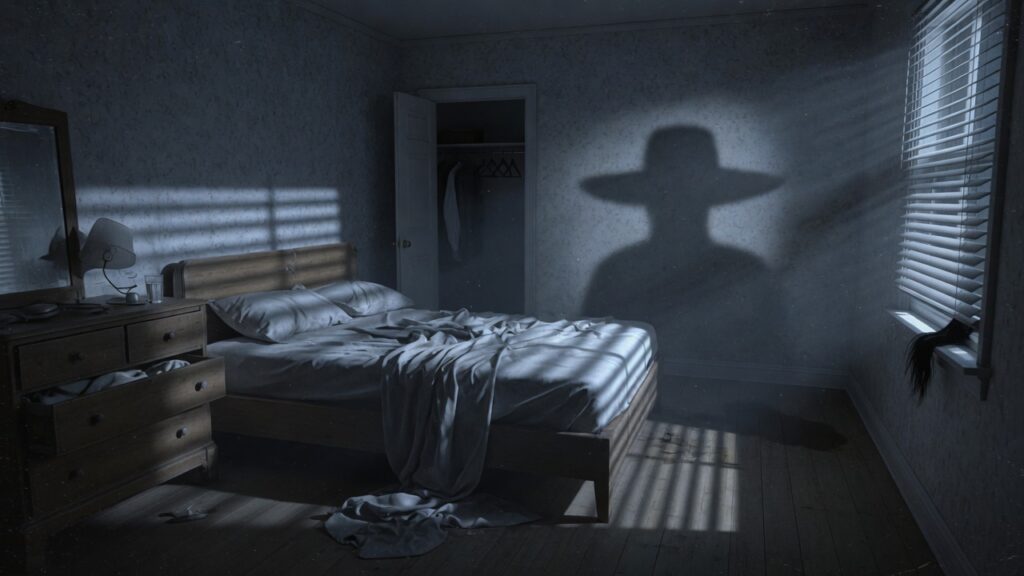
Shadow entities remind us how thin the veil between the familiar and the unknown can be. Regular shadow people offer fleeting, almost passive glimpses into that other side. The Hat Man, however, crosses the threshold with purpose. He refuses to remain at the periphery. He stands in our safest spaces and forces us to acknowledge that some presences in the dark are not merely passing through—they are watching, waiting, and intent.
That calculated malevolence is why the Hat Man lingers in the nightmares of investigators and everyday experiencers alike.
Have you encountered the Hat Man or a shadow figure? Share your story in the comments or submit it via our contact form.